Safety Is the Whole Job
Every jump at Westex Skysports follows USPA (United States Parachute Association) safety standards. That means:
- Dual-parachute systems (main + reserve) on every rig, every jump
- Automatic Activation Devices (AAD) that activate the deployment process of your reserve if needed
- Reserve parachutes repacked every 180 days per FAA regulation
- USPA-rated instructors for every tandem and student jump
- Pre-jump equipment checks before every load
Skydiving carries inherent risk — we won't pretend otherwise. But risk managed by trained professionals, maintained equipment, and decades of refined procedure is what makes this sport safe enough for first-timers and veterans alike.
What about jumping out of a “perfectly good” skydiving aircraft?
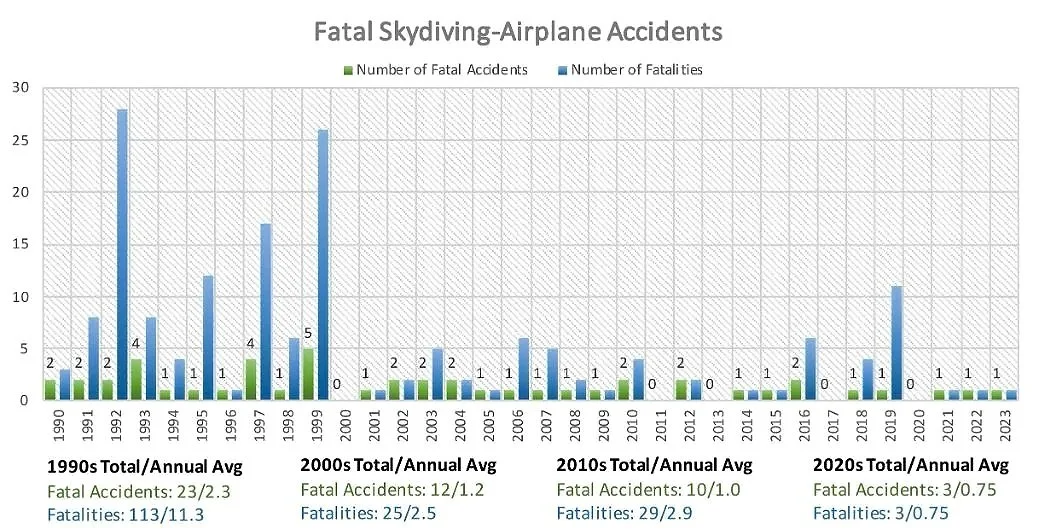
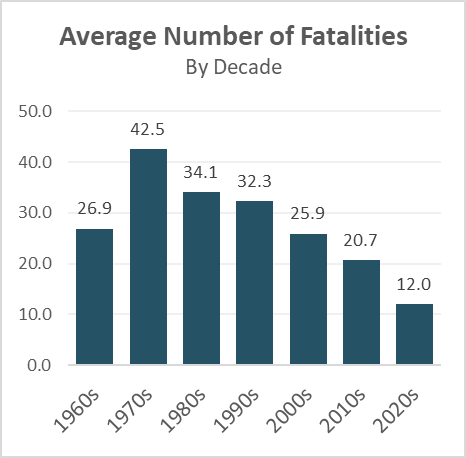
Skydiving operations have a much lower aircraft accident rate than general aviation. Skydive jump pilots receive thorough training prior to flying skydivers and that training must include aircraft-specific systems, preflight inspections, weight and balance considerations and proper fuel management. Skydivers receive instruction on how to respond to aircraft emergencies during their initial student training, and most skydiving centers reinforce this training at various times of the year. In the past 10 years, there have been eight fatal aircraft accidents related to skydiving with 25 total fatalities.